.png&w=128&q=75)


Does Electric Assistance Make a Vehicle Better on Steep or Low-Speed Terrain?
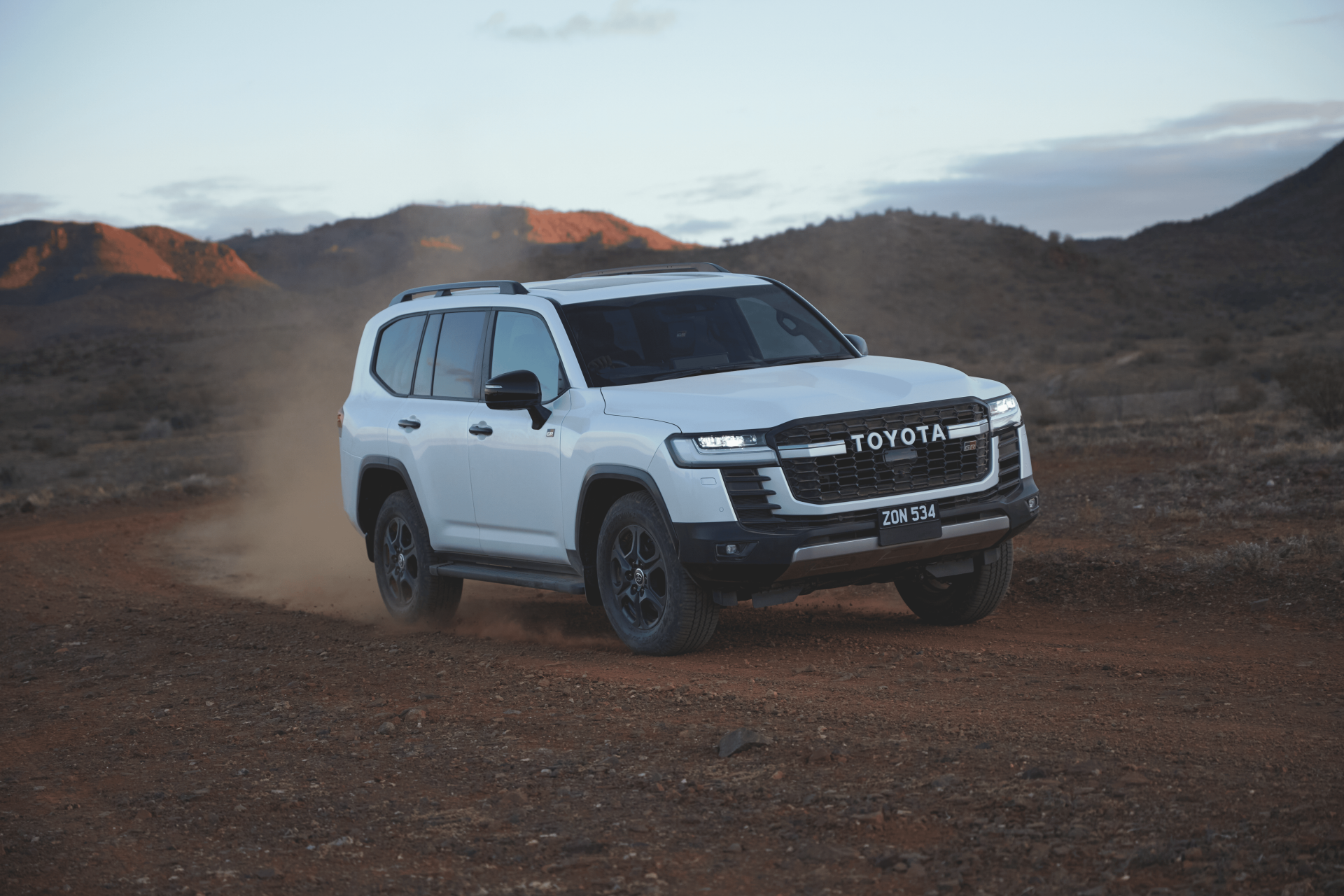
When tackling a steep track, rocky climb or deep rut, peak power is only part of the story. How smoothly a 4WD responds at low speeds can be just as important, particularly when controlled movement is needed to navigate uneven terrain.
Toyota’s LandCruiser 300 Performance Hybrid combines a 3.5-litre twin-turbo V6 petrol engine with an electric motor to deliver a combined 341kW and 790Nm. But what does electric assistance actually contribute off-road, and does more torque mean better capability?
How Does Electric Torque Help Off-Road?
Electric motors can provide strong torque response from very low speeds, helping a vehicle respond without relying entirely on engine revs to build. This can be useful when climbing obstacles, moving through deep ruts or maintaining controlled progress over uneven ground.
Toyota says the LandCruiser 300 Performance Hybrid's electric motor helps tackle steep obstacles and drive out of deep ruts. Its specially tuned 10-speed automatic transmission also uses motor assistance to help fill gaps between gear changes, supporting a more consistent delivery of drive when climbing or accelerating under load.
The system is designed around performance and responsiveness, rather than fuel economy alone. However, actual assistance depends on vehicle operating conditions and how the drivetrain manages power delivery.
Why Cooling and Crawl Control Matter
Low-speed driving over challenging terrain can place sustained demands on a vehicle. Managing heat is important to maintaining system performance, particularly during extended periods of demanding off-road use.
Toyota's liquid-cooling system helps manage heat associated with regenerative braking and high-performance driving. Toyota says this supports consistent electric torque and allows Crawl Control to operate for longer periods.
Crawl Control assists with maintaining low-speed progress across difficult terrain, reducing the need for constant accelerator and brake adjustments. The Performance Hybrid also features electric power steering, which Toyota identifies as supporting improved off-road precision.
Together, these systems contribute to the vehicle's overall capability, although they do not eliminate the need for appropriate driving techniques and careful vehicle placement.
Does More Torque Mean More Traction?
Not necessarily. Torque is the turning force that helps move a vehicle, while traction is the grip available between the tyres and the ground. Without sufficient grip, additional torque can result in wheelspin rather than forward movement.
Tyres, surface conditions, wheel articulation, differential control and driver inputs all influence how effectively a 4WD puts its power to use. The LandCruiser 300's four-wheel-drive technology, including low range, Active Traction Control and Multi-Terrain Select, works alongside the drivetrain to help manage challenging conditions. Equipment varies by grade, with the GR Sport featuring front and rear differential locks.
Electric assistance can make torque easier to access, but it cannot make the ground less slippery. Choosing the right line, applying measured throttle and understanding the terrain remain essential.
Is the Performance Hybrid Better Off-Road Than the Diesel?
The Performance Hybrid offers a different approach to off-road performance, with higher combined system output, electric motor assistance and transmission torque fill. These features may appeal to drivers looking for responsive power delivery and additional assistance in demanding conditions.
However, that does not make it automatically superior to the diesel LandCruiser 300 in every situation. Your choice should also consider towing requirements, touring distances, fuel availability, payload, budget and how you intend to use the vehicle.
Rather than focusing on one headline figure, consider how the entire vehicle suits your driving needs.
LandCruiser 300 Sahara ZX vs GR Sport
Looking for the right LandCruiser 300 for your next adventure? Compare the Sahara ZX and GR Sport, from premium comfort and technology to specialised off-road equipment, and explore the features that suit your driving needs.
EXPLORE THE LANDCRUISER 300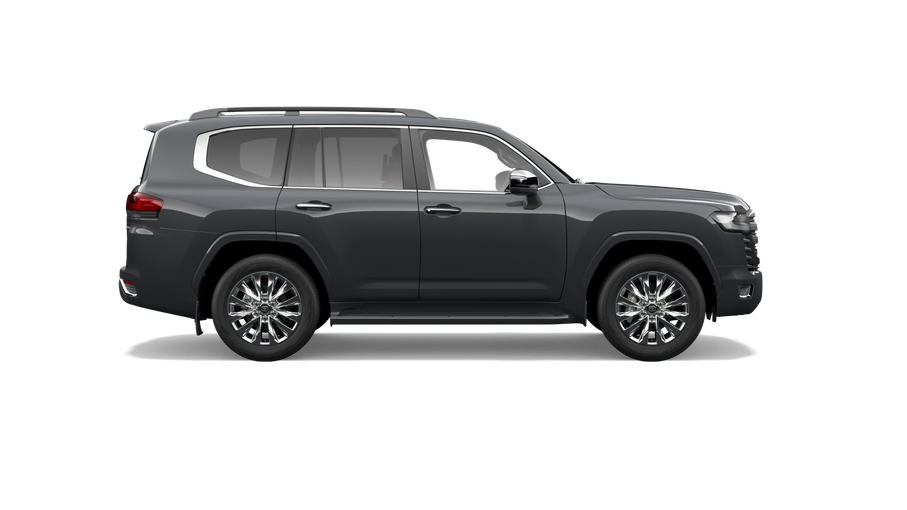
Toyota LandCruiser 300 Sahara ZX
- 10-speed automatic transmission with manual shift mode
- 12.3-inch colour touchscreen display
- Dual rear entertainment system
- Heated and ventilated front seats
- Rear Torque Sensing Limited Slip Differential (LSD)
- Drive Mode Select with five modes
- 10 SRS airbags
- Adaptive High Beam System (AHS)
- Toyota Connected Services with features accessible via the myToyota Connect app
- Available with a 3.3L V6 twin-turbo diesel engine or 3.5L V6 twin-turbo petrol engine with i-FORCE MAX Performance Hybrid technology
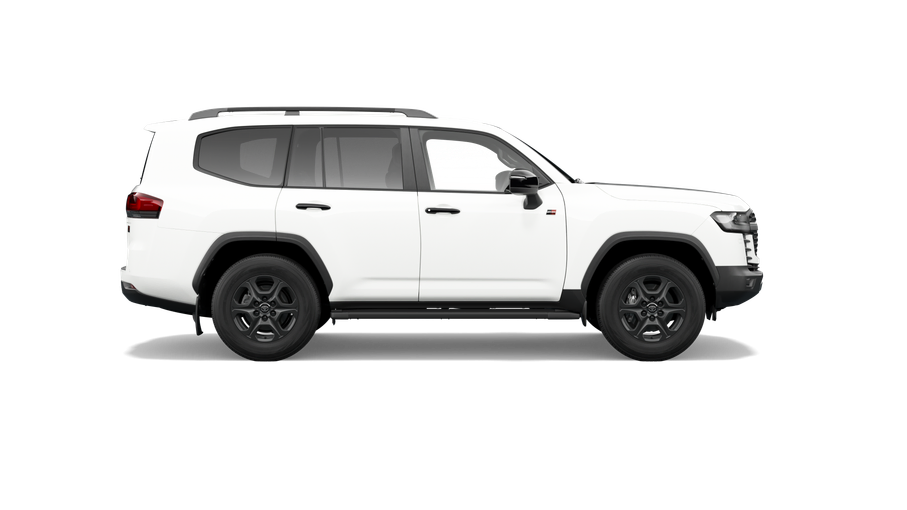
Toyota LandCruiser 300 GR Sport
- 10-speed automatic transmission with manual shift mode
- 12.3-inch colour touchscreen display
- Electronic Kinetic Dynamic Suspension System (E-KDSS)
- GR Sport badging on the grille, front doors and rear tailgate
- Drive Mode Select with five modes
- 10 SRS airbags
- Adaptive High Beam System (AHS)
- Toyota Connected Services with features accessible via the myToyota Connect app
- Available with a 3.3L V6 twin-turbo diesel engine or 3.5L V6 twin-turbo petrol engine with i-FORCE MAX Performance Hybrid technology
- Front and rear differential locks


