.png&w=128&q=75)


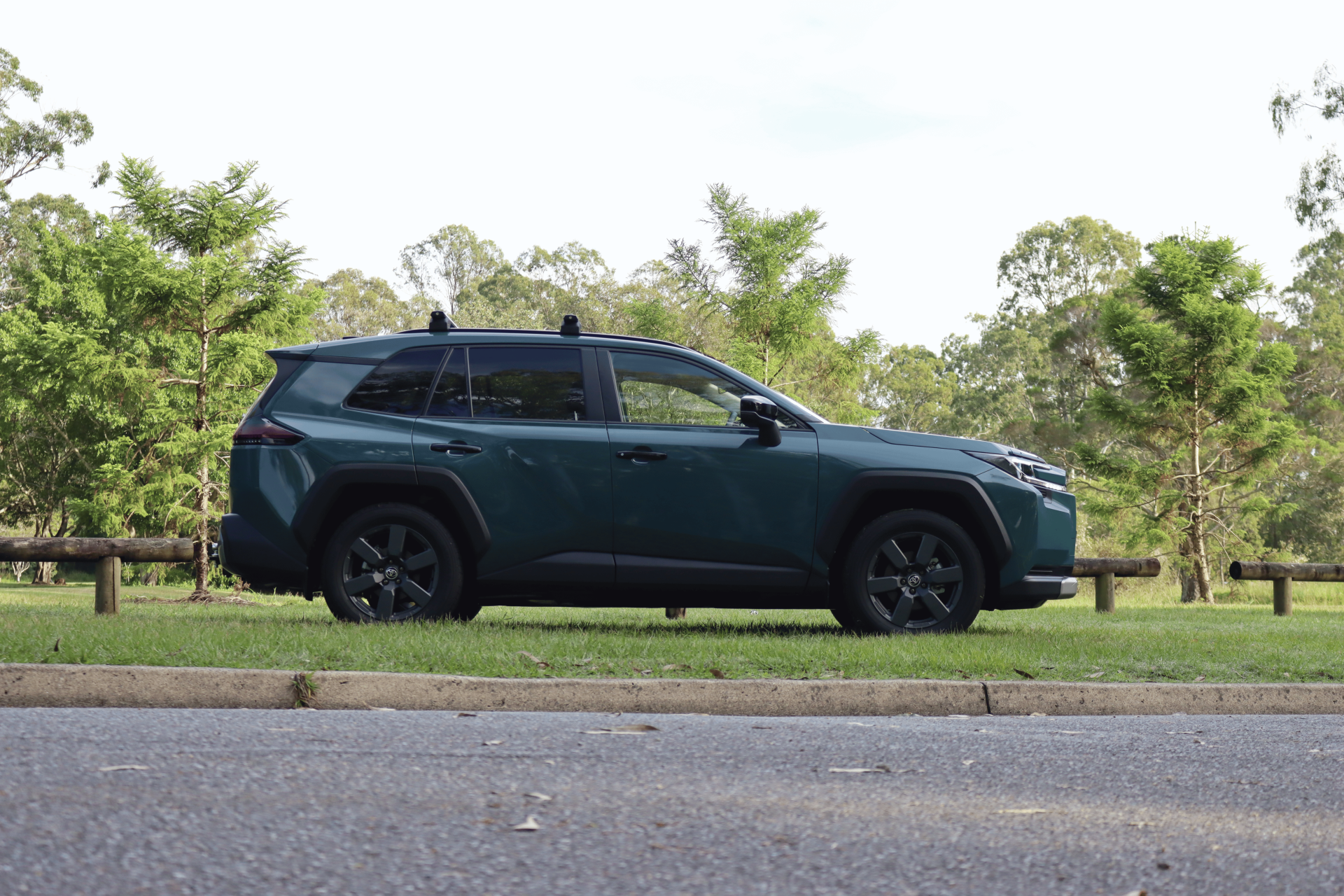
RAV4 Hybrid or RAV4 Plug-In Hybrid: Which One Suits Your Week?
Choosing between the all-new Toyota RAV4 Hybrid and RAV4 Plug-In Hybrid isn't simply about deciding which powertrain has the biggest battery or the most power.
The better question is: which RAV4 fits the way you actually drive?
Think about a typical Brisbane week. Where does your RAV4 spend the night? How far do you drive to work? Are there school runs, shopping trips and appointments during the week? Can you charge at home or work? And what happens when a last-minute weekend road trip comes up?
The answers can make one RAV4 powertrain a much better fit for your lifestyle than the other.
Both use a petrol engine and electric motors, but they approach electrified driving differently. The RAV4 Hybrid Electric Vehicle (HEV) doesn't need to be plugged in, while the RAV4 Plug-In Hybrid Electric Vehicle (PHEV) has a larger battery that can be externally charged for longer electric driving.
So, which one suits your week?

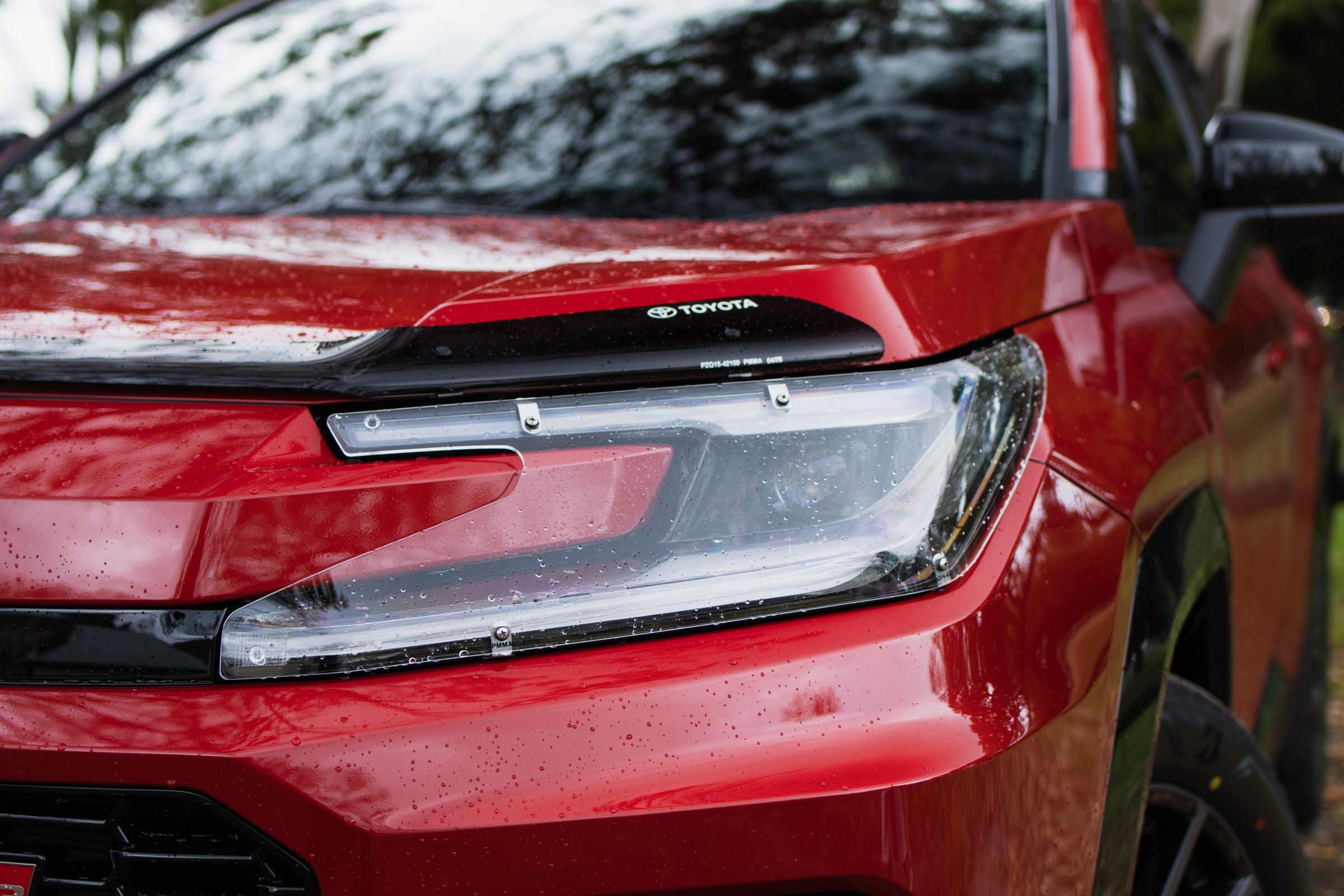

What is the difference between the RAV4 Hybrid and Plug-In Hybrid?
The RAV4 Hybrid uses Toyota's fifth-generation Hybrid Electric system, combining a 2.5-litre petrol engine with electric motors. Its battery is managed by the vehicle and replenished as you drive, meaning there's no need to install a charger or change the way you refuel.
The RAV4 Plug-In Hybrid takes that concept further with a much larger 22.7kWh lithium-ion battery. It can be charged externally at home or at compatible public charging stations, allowing the vehicle to drive on electric power for longer periods when sufficient charge is available. When the battery needs replenishing, the RAV4 PHEV can continue operating using its petrol-hybrid system.
That makes charging access one of the biggest factors when deciding between the two.
Do you have somewhere reliable to charge?
This is perhaps the biggest question to ask before choosing a RAV4 PHEV.
If you have a garage, carport or suitable home charging setup, plugging in overnight can become a simple part of your routine. Workplace charging can also add flexibility.
The RAV4 PHEV supports both AC charging and compatible DC public charging, with Toyota quoting up to 11kW three-phase AC charging and 50kW DC charging capability. Actual charging times can vary depending on the charger, battery temperature, state of charge and other conditions.
By comparison, the RAV4 Hybrid doesn't require external charging at all.
You simply refuel with petrol when required and let the hybrid system manage the interaction between the petrol engine and electric motor.
For someone without reliable access to charging, this simplicity could make the HEV the more convenient choice.
What happens when you head away for the weekend?
A charged RAV4 PHEV offers electric driving for everyday trips, with petrol-hybrid power for longer journeys. That means you can head to the Sunshine Coast, Gold Coast or further afield without relying on public charging.
The RAV4 Hybrid offers similar flexibility, but without the same externally charged, EV-only driving capability. The choice comes down to how much electric driving you want in your daily routine.

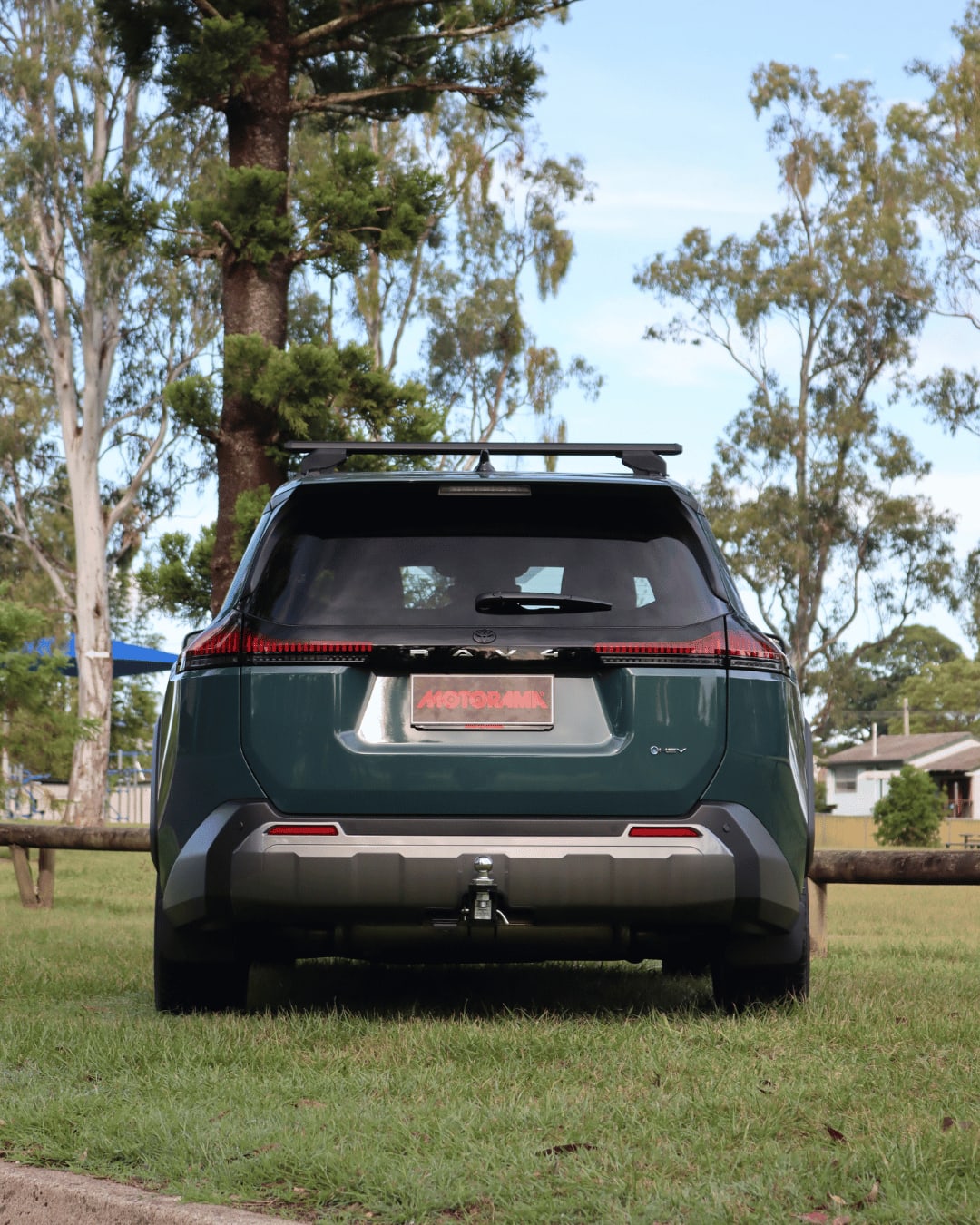

Is the RAV4 PHEV simply the faster RAV4?
If performance is important to you, the Plug-In Hybrid has a clear advantage.
The RAV4 Hybrid produces 143kW of combined power in both 2WD and AWD configurations.
The PHEV produces substantially more, with 200kW in 2WD form and 227kW in AWD. The AWD PHEV powertrain is also used in the flagship RAV4 GR Sport, making it the most powerful RAV4 offered in Australia.
That extra power can provide stronger acceleration and a more responsive driving experience. But that doesn't automatically make the PHEV the right choice for every driver.
What about boot space and towing?
Choosing a larger battery does come with some practical considerations.
The current RAV4 range lists up to 705 litres of cargo space for HEV models, compared with up to 655 litres for PHEV models with the rear seats in place.
That's not necessarily a deal-breaker, but it's worth considering if you're regularly carrying prams, sports equipment, luggage or camping gear.
Towing capacity also depends on the drivetrain. Toyota lists up to 1,500kg of braked towing capacity for AWD versions, while 2WD versions are listed at 800kg. Always check the specific vehicle's towing, payload and GVM requirements before towing.
If maximum cargo space is important to you, the HEV may have an advantage.
If you want the additional performance and electric-driving capability of the PHEV, the slightly reduced cargo capacity may be a worthwhile trade-off.
Your week. Your RAV4.
Which RAV4 Suits Your Week?
From the daily commute to weekend road trips, discover whether the RAV4 Hybrid or Plug-in Hybrid could better suit your routine. Answer four quick questions to find your match.
0 of 4 questions answered
Your RAV4 match
This result is a general guide based on your answers, not a personalised fuel-cost calculation. Actual electric driving distance, fuel consumption and suitability depend on the vehicle variant, battery charge, driving conditions and how the vehicle is used. Check current model specifications and charging requirements with Motorama Toyota.
Put Your Week to the Test
Ready to Find Your RAV4?
Compare the RAV4 Hybrid and Plug-In Hybrid for yourself. Book a test drive with Motorama Toyota and experience which RAV4 best suits the way you drive.
BOOK A RAV4 TEST DRIVE


